
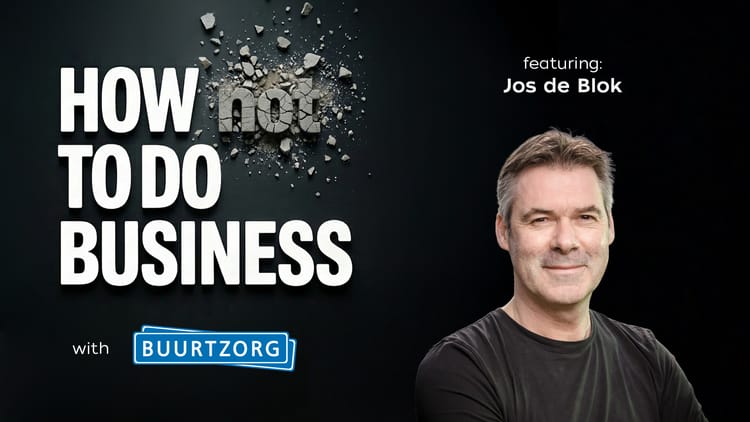
Neighbourhood Care: The nursing model where better care costs less - Buurtzorg
Jos de Blok started Buurtzorg in 2006 with one team of nurses and no managers. It now runs around 900. He says doing the right thing costs the system less.


24 posts
Jos de Blok started Buurtzorg in 2006 with one team of nurses and no managers. It now runs around 900. He says doing the right thing costs the system less.
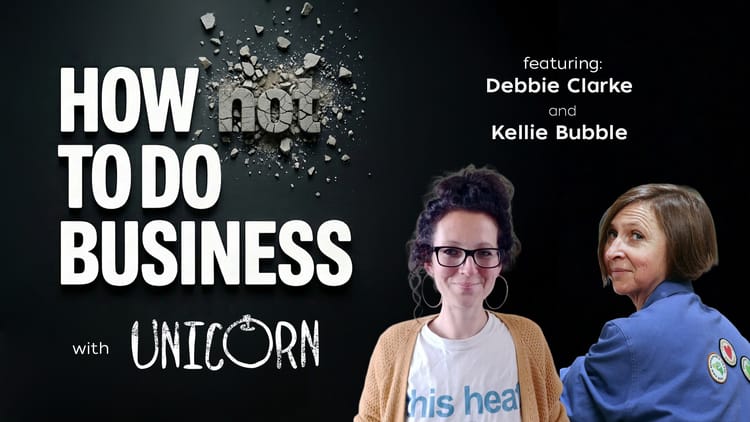
Debbie and Kellie of Unicorn Grocery on chalking their prices next to Tesco's, giving before profit, funding their growers, and never opening a second shop.
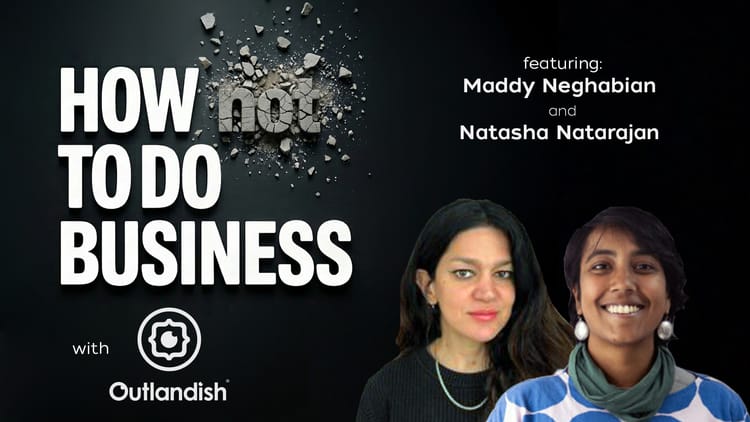
A digital agency in Finsbury Park, London, owned by the people who do the work — where decisions are made by consent, the profits fund a community, and now that "being good" has gone mainstream, standing out is its own kind of problem.
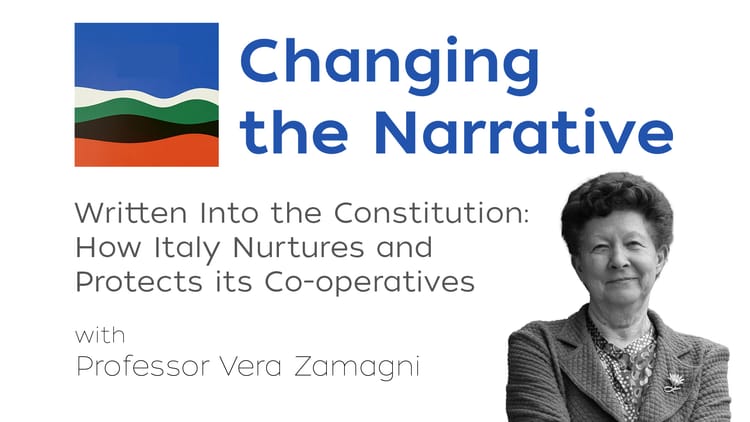
Professor Vera Zamagni on the constitutional article that's shielded Italian cooperatives since 1948, why small firms and cooperatives coexist rather than compete to the death, and why she thinks artificial intelligence — not politics — is now the bigger threat.

Scotland has become the first country in the world to write community wealth building into law. But what does that mean for the places where people actually live and work — and can a framework like this hold against the pull of global capital, data centres and footloose investment?
This deep dive explores their innovative approach to ownership, pay equity, decision-making, and resilience in a capitalist world.
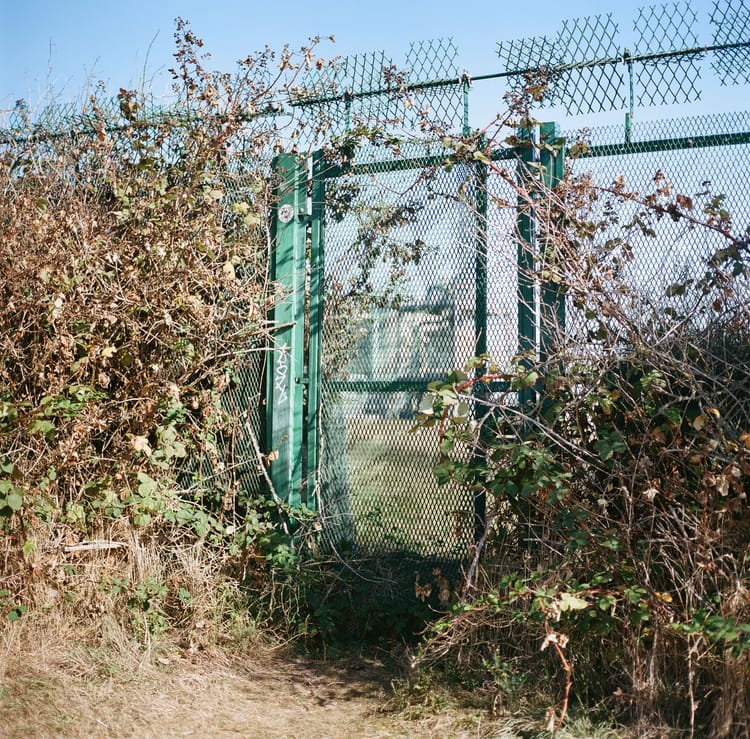
Conventional business practices are choices, and are not the only means by which success and growth can be achieved. The means of production can be owned by the workers instead of the capitalist class. The surplus produced by a company can be shared among the workers who sustain it.

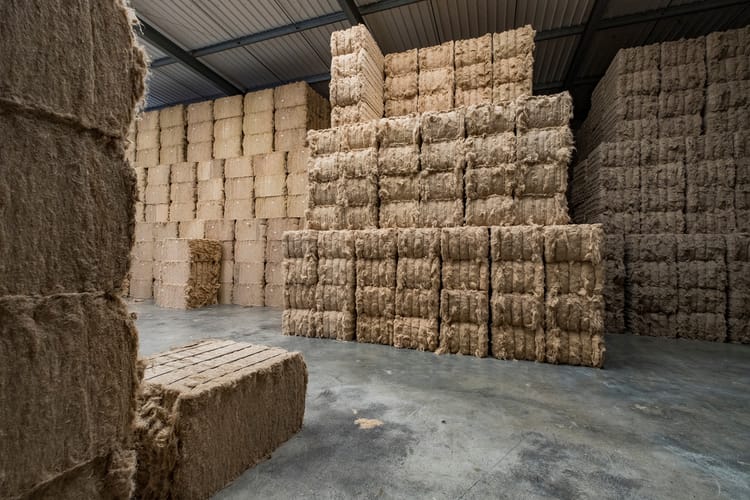
Maren Krings is a German freelance photojournalist and climate impact storyteller whose work seeks solutions to socio-ecological impacts to help mitigate the current climate crisis.

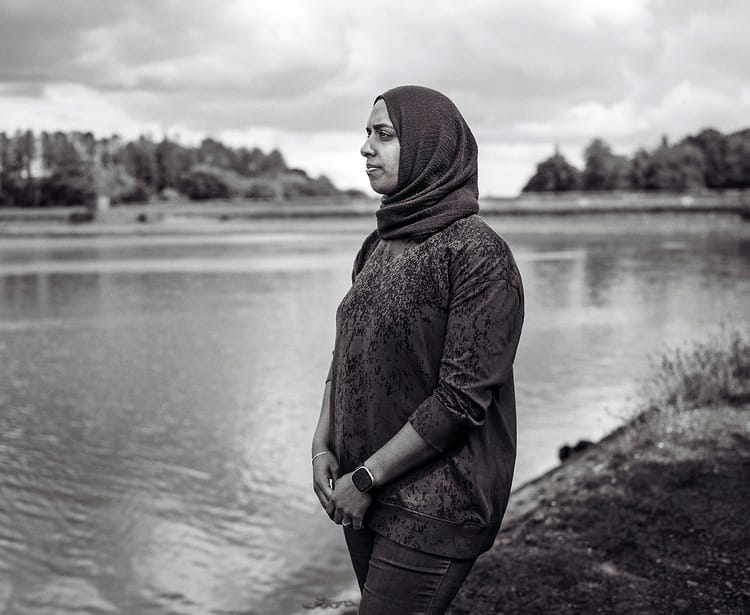
What really struck me about Joanne Coates was not only her work, but how in her biography and elsewhere she identifies as a working class photographer. I find that statement very powerful.
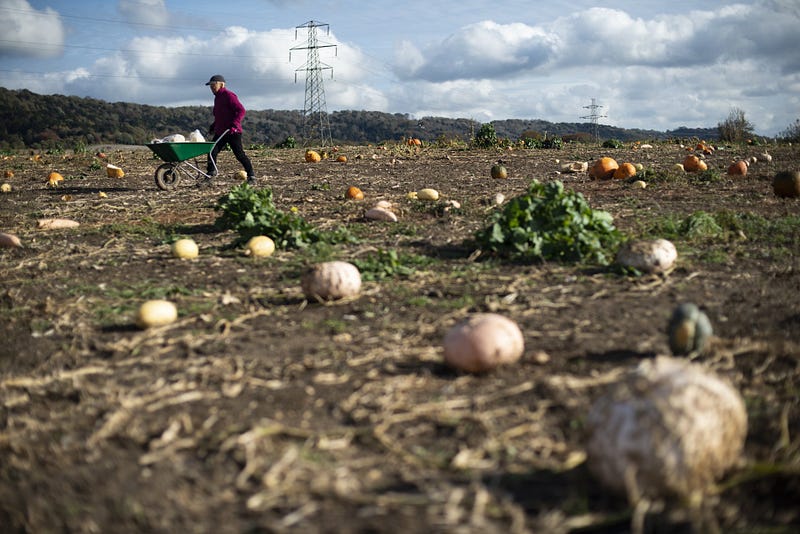
Telling the stories right on our doorstep has the potential to have incredible impact on the critical issues of our time, while also reducing or avoiding the challenges and pitfalls that so often come with exploring stories within communities of which we are not a part.
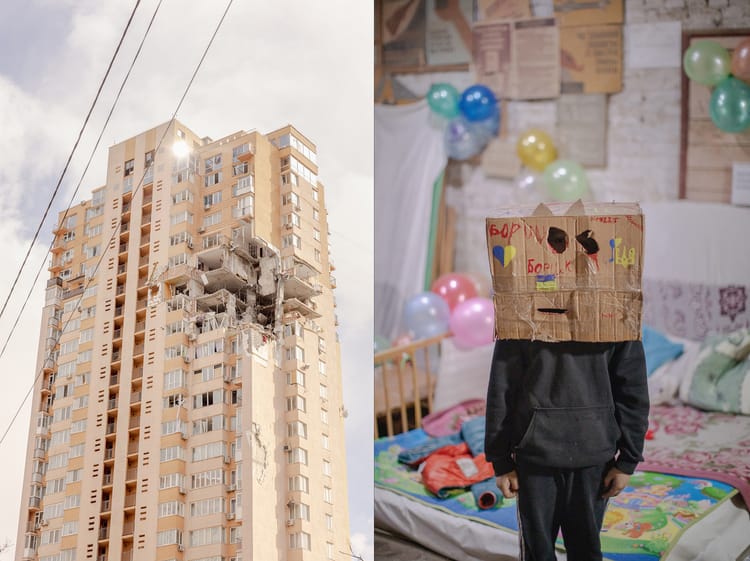
Natalie is a documentary photographer based in Brooklyn, New York. She is interested in inequality, youth culture, and the personal effects of political turmoil and violence, primarily in the US and Latin America.
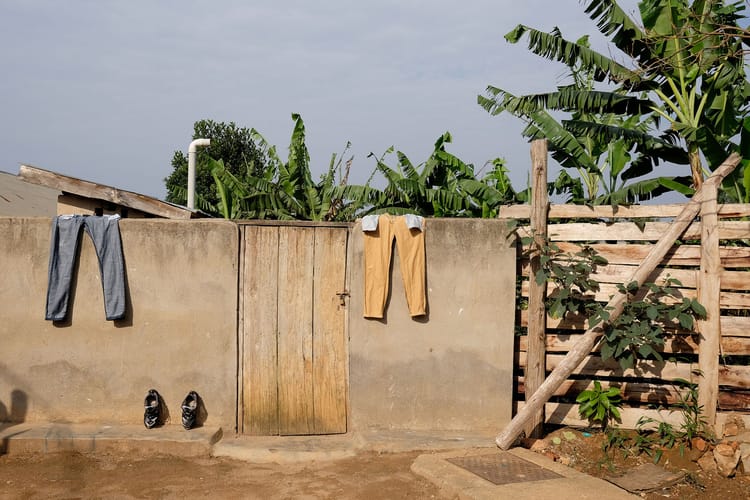
In this episode I speak to Savannah Dodd – a photographer and anthropologist originally from the USA, but now living in Northern Ireland – just down the road from my family as it happens.