
Impact Before Profit, and Still Growing: Inside a radical publisher - Pluto Press
Veruschka Selbach on how Pluto Press backs books that won't pay, puts its staff first and keeps growing, from a US office to a new imprint.

Veruschka Selbach on how Pluto Press backs books that won't pay, puts its staff first and keeps growing, from a US office to a new imprint.
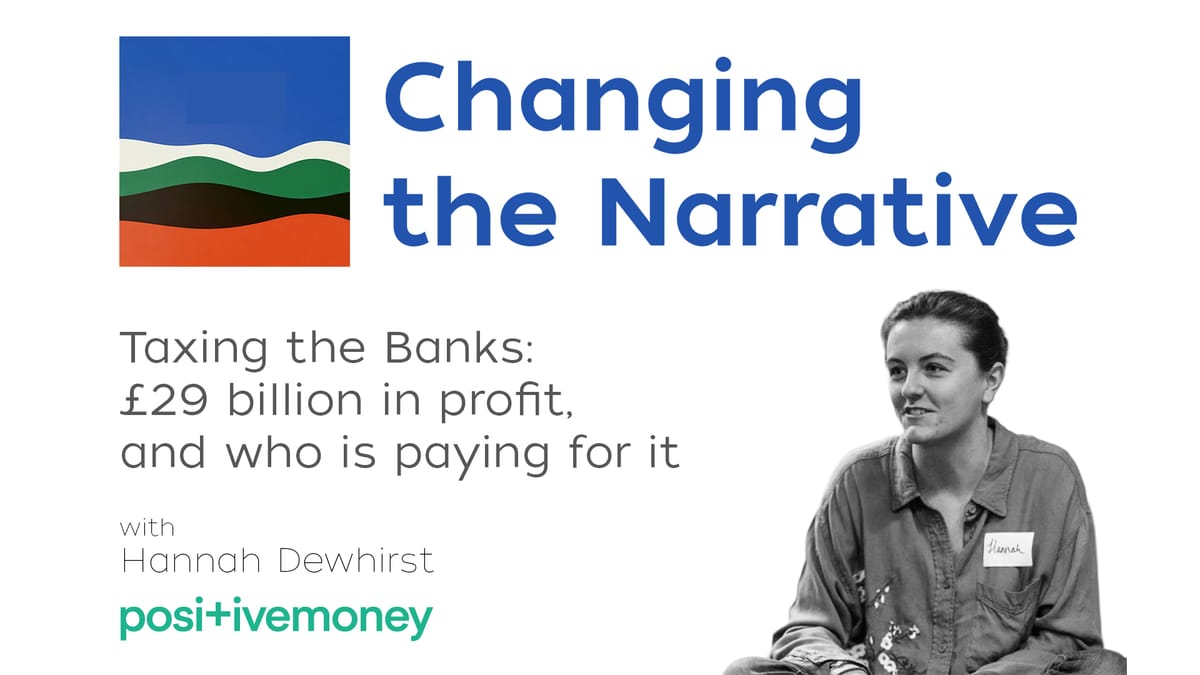
Britain's four biggest banks made £29bn in six months. Hannah Dewhirst of Positive Money on where that money came from, and who is really paying for it.
Jos de Blok started Buurtzorg in 2006 with one team of nurses and no managers. It now runs around 900. He says doing the right thing costs the system less.
Veruschka Selbach on how Pluto Press backs books that won't pay, puts its staff first and keeps growing, from a US office to a new imprint.
Britain's four biggest banks made £29bn in six months. Hannah Dewhirst of Positive Money on where that money came from, and who is really paying for it.
Jos de Blok started Buurtzorg in 2006 with one team of nurses and no managers. It now runs around 900. He says doing the right thing costs the system less.
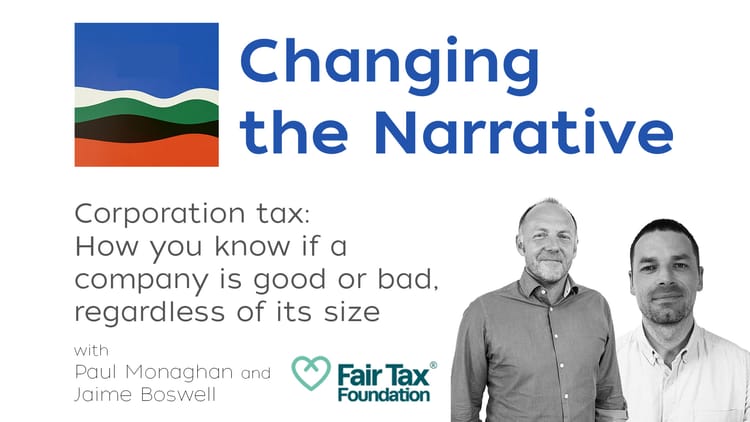
The Fair Tax Foundation created the world's first Fair Tax Mark. Paul Monaghan and Jaime Boswell on why celebrating the companies getting tax right may do more than naming the ones that don't.
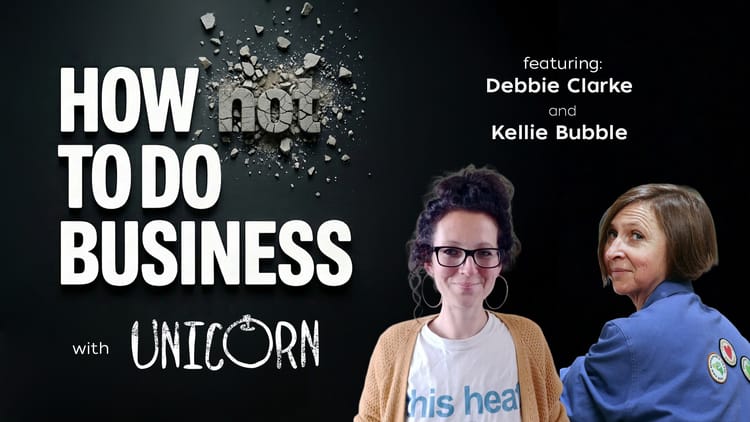
Debbie and Kellie of Unicorn Grocery on chalking their prices next to Tesco's, giving before profit, funding their growers, and never opening a second shop.
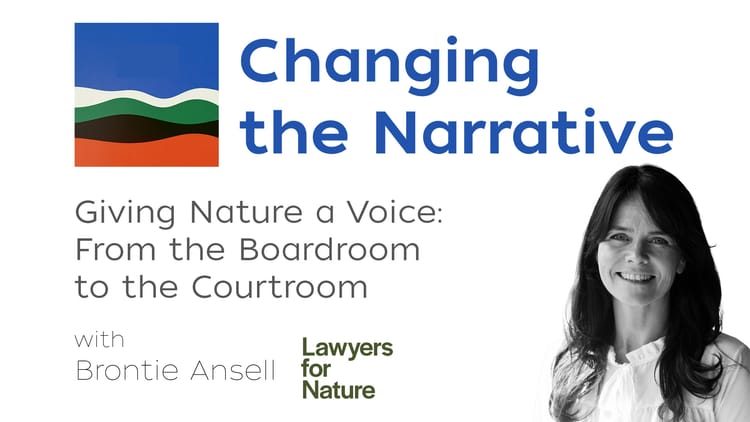
A company can go to court. A river can't. Brontie Ansell of Lawyers for Nature is working to change that — giving the natural world a voice in law, in policy, and even inside the company boardroom.
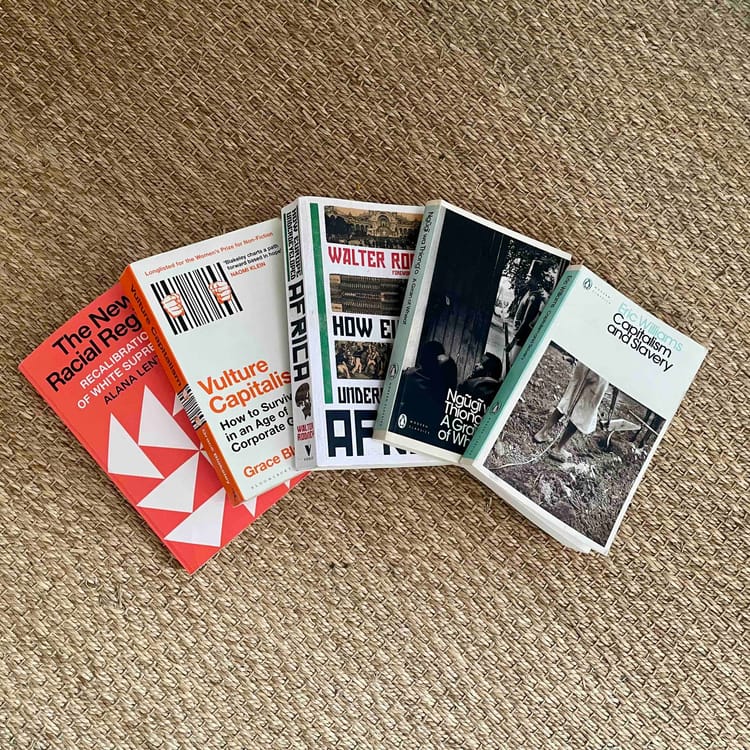
I wanted to share some ot the non-fiction and fiction books I've been reading recently, and would recommend to anyone who hasn't yet come across them.


Conventional business practices are choices, and are not the only means by which success and growth can be achieved. The means of production can be owned by the workers instead of the capitalist class. The surplus produced by a company can be shared among the workers who sustain it.

Prevailing narratives, while embraced by many and forces to be reckoned with, are not rigid, static things. They can and do change constantly.
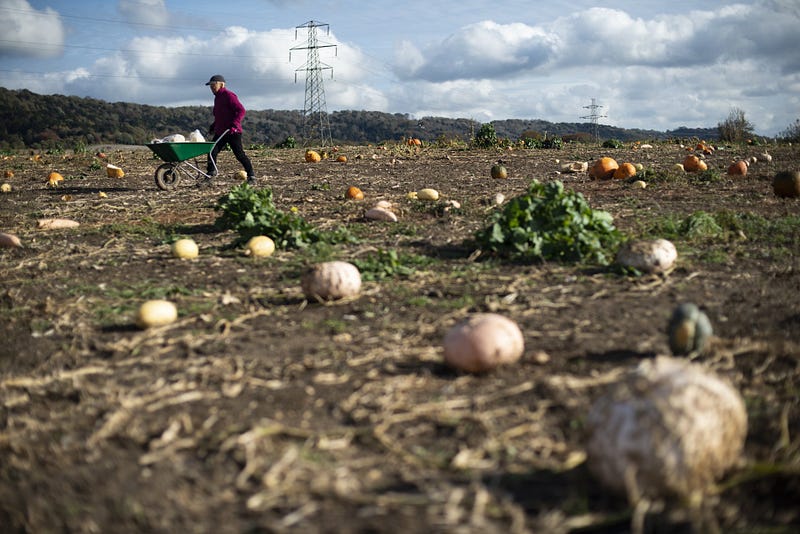
Telling the stories right on our doorstep has the potential to have incredible impact on the critical issues of our time, while also reducing or avoiding the challenges and pitfalls that so often come with exploring stories within communities of which we are not a part.

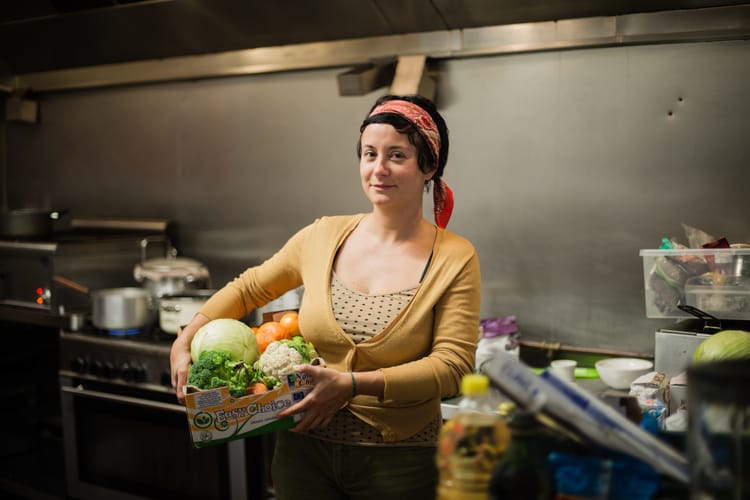
As documentary storytellers we are uniquely placed to inform and influence through the work we produce. However, our practice should not be limited to simply sharing stories — doing little else but informing others.
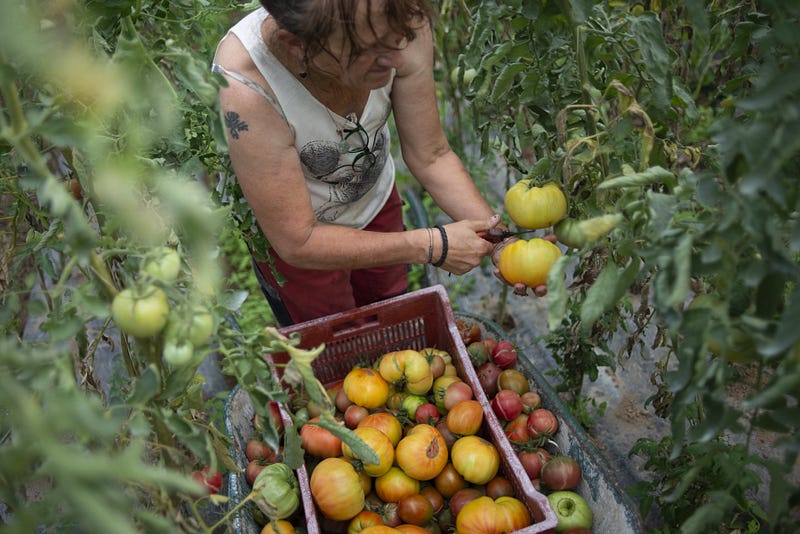
Human-centric stories can be incredibly compelling and inspire people to take action, but when exploring them we must ensure we are not inadvertently contributing to the very issues we are documenting and seek to address.
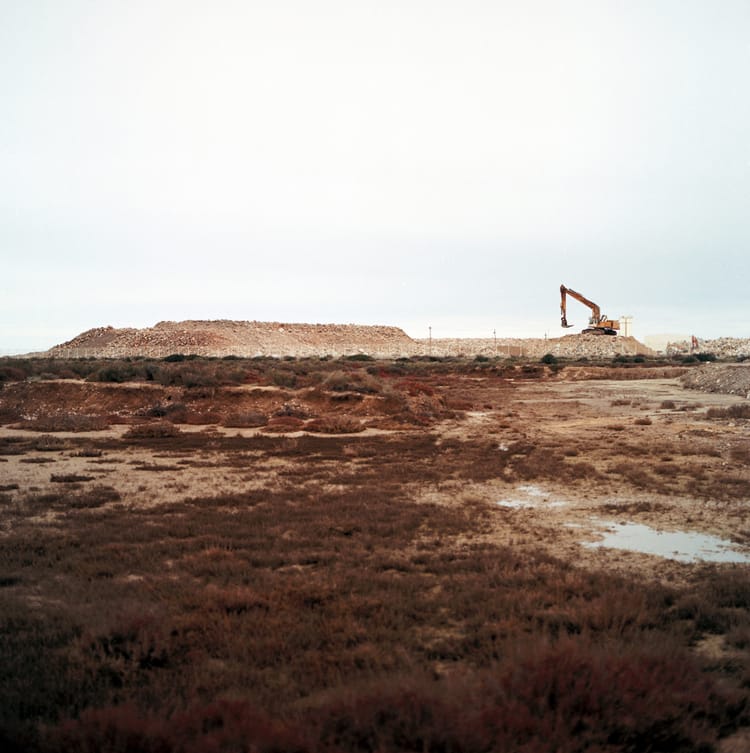
Our urbanised, industrial societies rely on order – or at least the perception of it. They rely on things happening as they are expected to. The further away from an urban centre I travel, the more I witness the fraying of ordered society, as it becomes less and less feasible to maintain.