
Impact Before Profit, and Still Growing: Inside a radical publisher - Pluto Press
Veruschka Selbach on how Pluto Press backs books that won't pay, puts its staff first and keeps growing, from a US office to a new imprint.

13 posts
Veruschka Selbach on how Pluto Press backs books that won't pay, puts its staff first and keeps growing, from a US office to a new imprint.
Britain's four biggest banks made £29bn in six months. Hannah Dewhirst of Positive Money on where that money came from, and who is really paying for it.

Jos de Blok started Buurtzorg in 2006 with one team of nurses and no managers. It now runs around 900. He says doing the right thing costs the system less.
Debbie and Kellie of Unicorn Grocery on chalking their prices next to Tesco's, giving before profit, funding their growers, and never opening a second shop.
A digital agency in Finsbury Park, London, owned by the people who do the work — where decisions are made by consent, the profits fund a community, and now that "being good" has gone mainstream, standing out is its own kind of problem.
Professor Vera Zamagni on the constitutional article that's shielded Italian cooperatives since 1948, why small firms and cooperatives coexist rather than compete to the death, and why she thinks artificial intelligence — not politics — is now the bigger threat.
Cherry Haynes and Siôn Whellens of Calverts on hiring sceptics, refusing to compete on price, and why control matters more than ownership.
Scotland has become the first country in the world to write community wealth building into law. But what does that mean for the places where people actually live and work — and can a framework like this hold against the pull of global capital, data centres and footloose investment?
Conventional business practices are choices, and are not the only means by which success and growth can be achieved. The means of production can be owned by the workers instead of the capitalist class. The surplus produced by a company can be shared among the workers who sustain it.

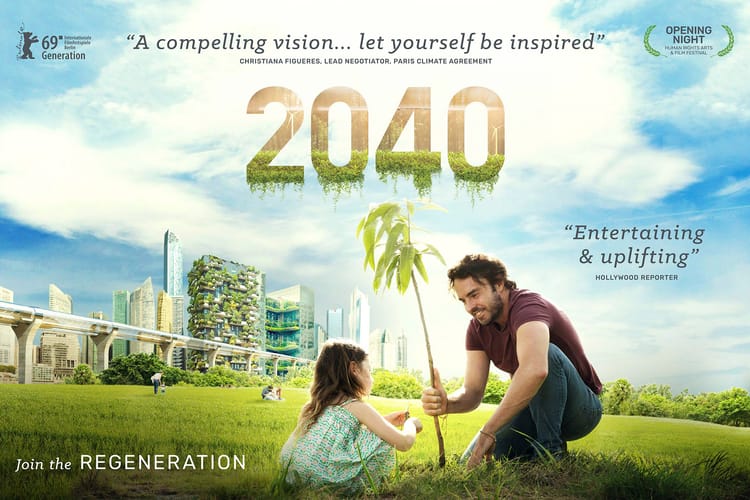
Damon Gameau – award-winning documentary film-maker, and the person behind a recently released feature-length documentary on climate change called 2040.

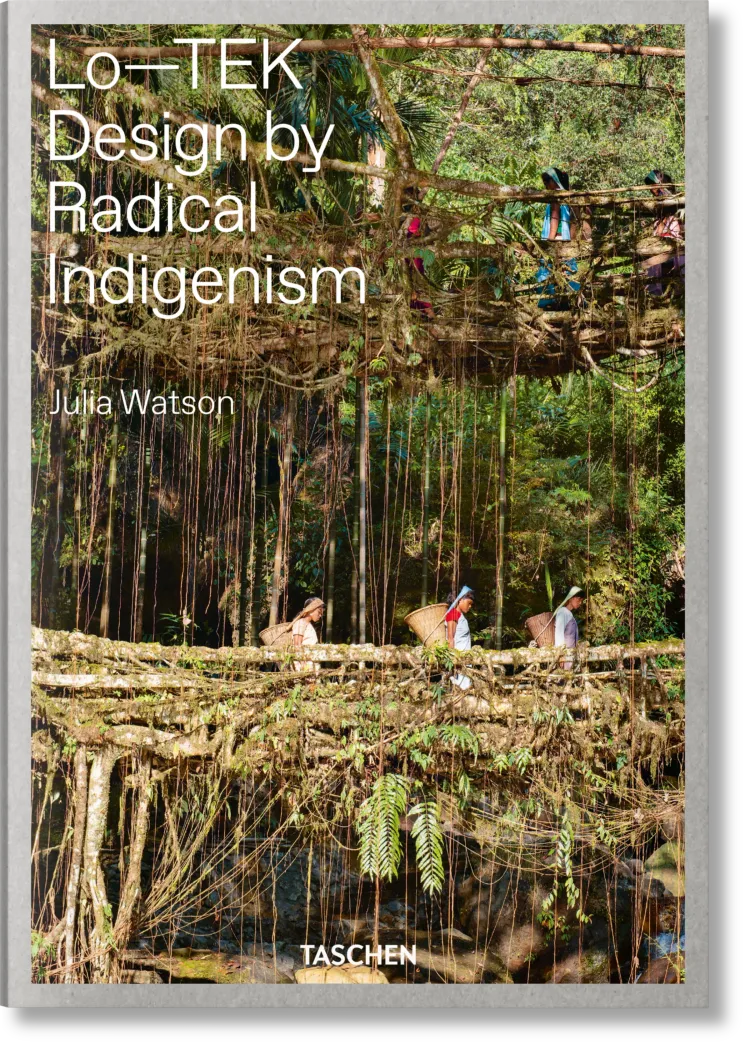
Designer and author Julia Watson describes the things she saw during a recent trip to Beira, Mozambique, as “the future of climate change”.
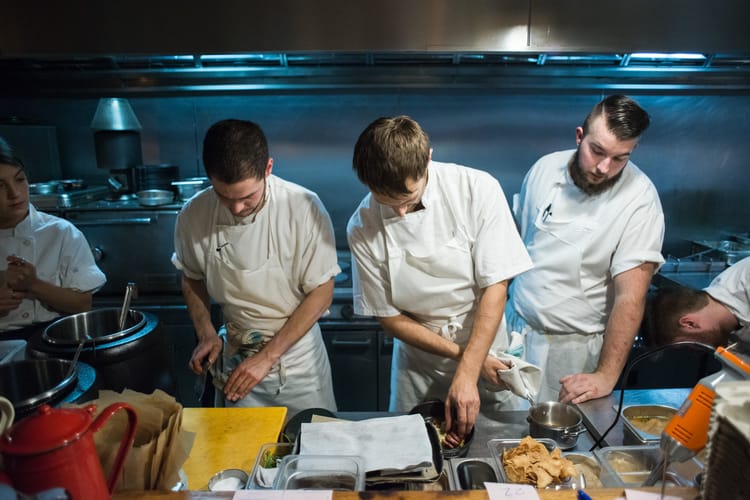
Our food culture is shaped by many things, but chefs are some of the biggest influencers. Like supermarkets, their choices impact the whole supply chain - from farm to fork - and the very foundations of our food system and food culture.